

Published :
Updated :
 For all latest news, follow The Financial Express Google News channel.
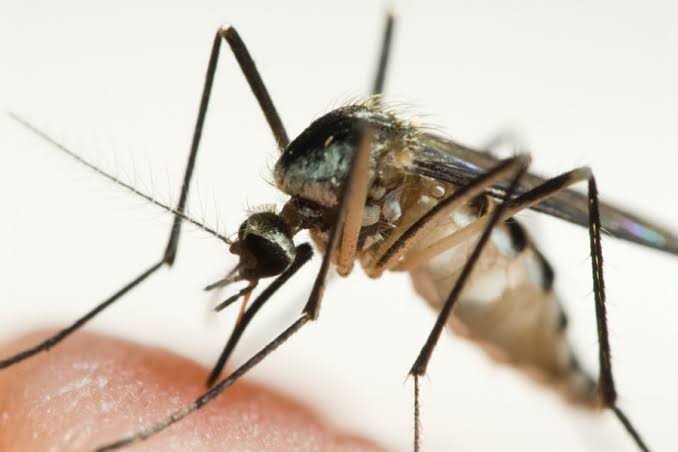
Some recent media reports have highlighted the mosquito menace bedevilling life after sunset. Mosquitoes seem to be breeding unchecked in the absence of any effective eradication strategy by the city corporations and municipalities. The mosquito population is so dense in the surroundings that it has become risky to open mouth in open spaces. Conventional methods of repelling the insects, like use of mosquito net, burning of coils, and spray of chemical repellents sometimes fail to give protection from these bloodsucking insects. As a result, normal life is getting very difficult after dark and valuable productive time is lost. People who have to work at night are the worst sufferers, while students, especially the SSC and HSC examinees, cannot concentrate on their studies. A recent study offers a sobering picture. Research led by Professor Kabirul Bashar of the Zoology Department at Jahangirnagar University shows that mosquito infestation in Dhaka has reached alarming proportions. According to the findings, mosquito numbers in February rose by more than 40 per cent compared to January. About 90 per cent of the mosquitoes identified belong to the Culex species. Experts warn that the situation may deteriorate further in March.
Professor Bashar, who has been studying mosquitoes for 26 years, assessed the situation through two methods: measuring larval density in water samples and counting adult mosquito bites. In January, 250-millilitre water samples collected from Dhaka and Savar contained an average of 850 larvae. In February, the figure surged to 1,250. The adult mosquito count is even more alarming. With a person's legs and arms exposed, researchers counted the number of bites within one hour. In January, the range was 400 to 600. By February, it climbed to an average of 850.
Globally, five mosquito bites per hour are considered high. Against that benchmark, 850 mosquito bites per hour in Dhaka is not merely a number - it is a danger signal.
These insects are not only irritants but also a source of health hazard, and threaten people with high risks of malaria, dengue and other vector-borne diseases. Bangladesh is home to three common mosquito species: Culex, Aedes, and Anopheles. Culex, the most widespread, can transmit filariasis and Japanese encephalitis. Aedes mosquitoes spread dengue, while Anopheles mosquitoes are responsible for malaria. Although not all these diseases are highly prevalent at present, the ecological conditions are getting increasingly conducive to outbreaks.
Researchers attribute the spike in mosquito populations to a milder winter, inadequate control of pollution in drains and water bodies, and the slowdown in mosquito control programmes in the absence of elected representatives in the two Dhaka city corporations.
Moreover, lakes and water bodies in the city containing filthy stagnant water serve as fertile grounds for breeding of mosquitoes. In certain areas of the city sewage overflows drains for lack of proper maintenance. Efforts to clean them are rare. Shortage of quality larvicide, weak or no mosquito control programme, lack of proper monitoring are the main reasons for the escalation of the menace.
Thus, mosquito menace in Dhaka is no longer a seasonal inconvenience; it has become a year-round hazard. An infestation of 850 mosquitoes in an hour speaks volume about the authorities' failure to check this menace. The new government should immediately take concerted steps to control the problem. City corporations and relevant agencies need to be revitalised and held accountable. A comprehensive mapping of stagnant water bodies, regular larvicide application, strict enforcement of waste management rules, and, mist importantly, public engagement is crucial to tackle this menace. Intensive cleansing drive in all areas of the city at a time for a certain period, say a fortnight, involving sufficient manpower and mobilising local people and volunteers may help bring tangible results. In view of the fast breeding of mosquitoes, drives against mosquitoes should continue till the advent of the rainy season.